
Why Is My Dog Breathing So Hard?
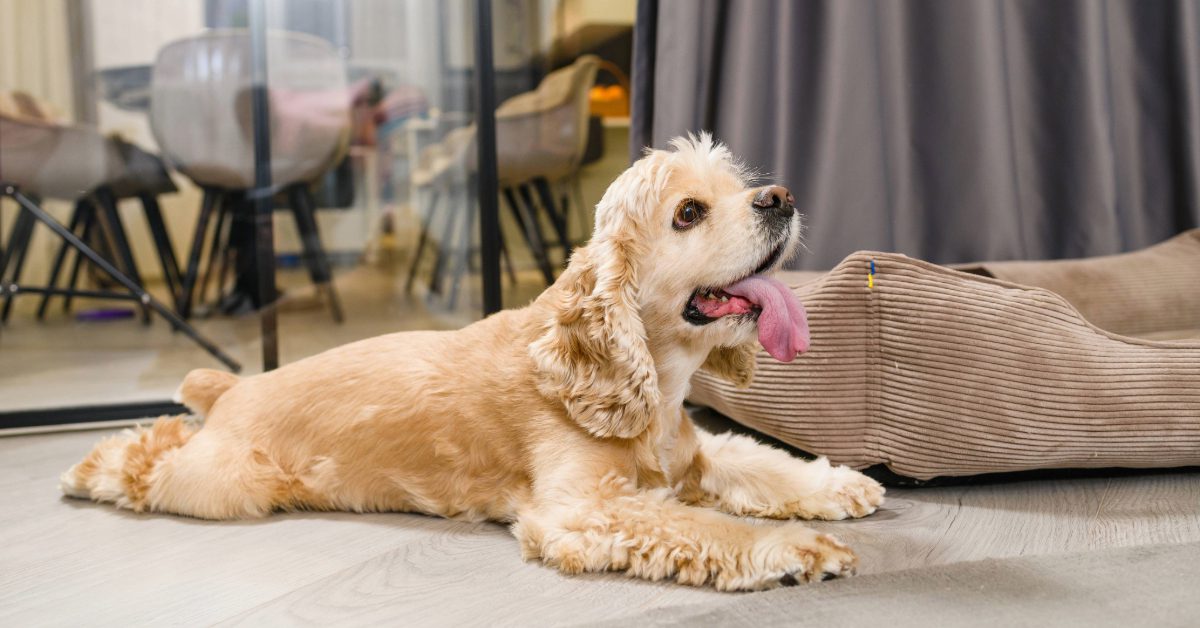
Why is my dog breathing so hard? Most of the time the answer falls into one of two camps: a normal reaction to heat, exercise, or excitement, or a sign that the lungs, heart, or airway need a veterinarian’s attention. Picture a golden retriever who flops onto the kitchen tile after a game of fetch, sides heaving. Ten minutes later she is calm and begging for dinner. Now picture the same dog still panting at midnight, restless and unwilling to lie down. The breathing looks similar, but the story behind it is completely different. How long it lasts, and what else you notice alongside it, usually tells you which story you are in. Pet owners around Bulverde ask us this question all the time, and our team at Bulverde Animal Hospital would much rather hear from you early than have you lie awake listening to your dog’s chest.
Dog Breathing Heavy: Common Causes
Heavy breathing has a long list of possible sources, and many of them are far more ordinary than owners fear. Understanding why your dog is breathing so hard starts with sorting the harmless causes from the worrying ones.
Everyday Triggers That Make Dogs Pant Hard
Dogs cool themselves mostly through panting, since they have very few sweat glands. A romp at the park, a car ride, a rumbling thunderstorm, or a living room full of guests can all send a dog’s breathing into overdrive. Summers in the Texas Hill Country add another layer, because heat and humidity make it harder for any dog to shed warmth. When excitement or a warm afternoon is the cause, the breathing settles within a few minutes of rest, and your dog returns to normal behavior. If you find yourself wondering “Why is my dog breathing so hard?” right after play, timing is your best clue, because ordinary panting fades quickly.
Medical Conditions That Can Cause Labored Breathing
Sometimes the effort has nothing to do with heat or play. Veterinarians weigh a wide range of conditions when a dog struggles to move air in and out. These come up often during exams:
- Heart disease, which can allow fluid to collect in or around the lungs
- Laryngeal paralysis, seen most often in older large breeds, where the voice box fails to open fully and produces a raspy, noisy sound
- Collapsing trachea, common in small breeds and often paired with a honking cough
- Pneumonia or another lung infection, which may arrive with fever and low energy
- Allergic reactions, including insect stings, that swell the face and throat
- Pain, anemia, or heatstroke, each of which can speed up breathing even when the lungs themselves are healthy
Because these problems can look nearly identical from the couch, a hands-on exam and diagnostic testing are the only reliable way to tell them apart. Guessing at home rarely gets to the right answer, and it can cost your dog valuable time. That is why the question of “Why is my dog breathing so hard?” rarely has a one-line answer.
How Can I Tell If My Dog’s Heavy Breathing Is an Emergency?
Knowing what labored breathing looks like helps you act quickly instead of second-guessing yourself at a stressful moment. If you are asking “Why is my dog breathing so hard?” in the middle of the night, these cues help you decide how fast to move.
Panting Versus Struggling for Air
Panting looks relaxed. The mouth hangs open, the tongue may loll out, and the chest moves in a steady, easy rhythm. Labored breathing looks like work. The belly and ribs visibly heave, the nostrils flare, and your dog seems anxious or unable to settle. Some dogs stand with their elbows pushed outward and their necks stretched forward, as if trying to make more room inside the chest. Others refuse to lie down because lying flat feels worse. Those details matter, so remember them when you call the clinic. Owners who ask “Why is my dog breathing so hard?” while resting in a cool room, with no exercise involved, are describing one of the most important warning flags a veterinarian hears about.
Signs That Call for an Immediate Phone Call or Visit
Contact Bulverde Animal Hospital or an emergency hospital right away if you notice any of the following:
- Gums or tongue that look blue, purple, gray, or unusually pale
- Rapid or effortful breathing that continues while your dog sleeps or rests in a cool room
- A wheeze, rattle, or high-pitched squeak with every breath
- Collapse, sudden weakness, or swelling around the face and muzzle
- Frothy or pink-tinged fluid at the nose or mouth
- Heavy breathing that follows heat exposure, a fall or collision, or possible contact with a toxin
Call on your way instead of waiting to see whether things improve. A clinic can tell you where to go and prepare for your arrival. Even a one-sentence answer to “Why is my dog breathing so hard?” such as “she has been heaving since dinner,” helps the front desk triage your call. If our office is closed, head to the nearest 24-hour emergency hospital.
What Will the Vet Do to Find the Cause?
A dog in respiratory distress needs answers fast, so veterinary teams follow a careful but efficient path from the moment you walk in. Their goal is to answer why your dog is breathing so hard as quickly and safely as possible.
Starting With a Close Look and Listen
The visit begins with observation. Your veterinarian watches how your dog stands, how the chest and abdomen move, and how hard each breath seems. Gum color, body temperature, heart rate, and lung sounds come next, all gathered with a stethoscope and a practiced eye. A dog who is truly struggling is often stabilized and made comfortable before any lengthy testing begins, because stress alone can make breathing worse. This first look helps narrow a wide field of possibilities, and it guides which tests will be most useful.
Imaging and Lab Work
Chest X-rays are a common next step. They show the size and shape of the heart, reveal fluid or masses in the lungs, and outline the airway. Bloodwork can uncover anemia, infection, or organ trouble that affects how your dog feels and breathes. Depending on what the exam suggests, your veterinarian may recommend additional heart or ultrasound testing. Each result adds a piece to the puzzle, and together they explain why your dog is breathing so hard in a way that guesswork never could.
What to Tell the Team Before Your Visit
You know your dog better than anyone, and your observations help our team work faster. These details are especially useful to share:
- The exact day and time you first noticed the change
- A short phone video of an episode, since breathing trouble does not always show up in the exam room
- Any new medications, supplements, or treats from the past few weeks
- Recent boarding, grooming, travel, or time around unfamiliar dogs
- Changes in appetite, energy, coughing, or willingness to exercise
Which Dogs Are More Likely to Struggle With Breathing?
Any dog can have a breathing problem, but certain breeds, ages, and living situations raise the odds.
Flat-Faced Breeds
Bulldogs, pugs, French bulldogs, and Boston terriers were bred with short skulls, and their airways often pay the price. Narrow nostrils, an elongated soft palate, and a smaller windpipe make every breath harder than it is for a long-nosed dog. Owners of these breeds often get used to loud, snorting sounds and assume they are normal. Because these dogs have so little breathing reserve, even mild heat or excitement can tip them into trouble. If you share your home with a flat-faced companion and wonder “Why is my dog breathing so hard on a mild day?” a veterinary exam is worth scheduling.
Seniors and Dogs Carrying Extra Weight
Age brings its own risks. Older dogs are more likely to develop heart disease, laryngeal paralysis, and lung changes, all of which can show up first as heavier breathing on walks. Extra body weight adds strain too, since fat around the chest and abdomen limits how fully the lungs can expand. A dog who once trotted up the porch steps without a pause but now stops to catch his breath is telling you something. Regular wellness exams give your veterinarian a chance to spot these shifts before they become emergencies. Owners of older dogs who ask “Why is my dog breathing so hard on short walks?” are often noticing a condition that deserves a closer look.
Dogs Living in Hot, Humid Climates
Heat is a risk for every dog in Central Texas, whatever the breed. Sun-baked pavement, parked cars, and long afternoons in the yard can push a body past its limit quickly. Thick-coated breeds, puppies, and older dogs have the hardest time shedding heat, and heatstroke can begin with nothing more than fast, noisy breathing. In summer, many Bulverde owners ask “Why is my dog breathing so hard after just a short stroll?” and the thermometer is often part of the answer.
Peace of Mind Starts With a Phone Call
Worrying about your dog’s breathing is one of the most nerve-racking experiences a pet owner can have, and you do not have to sort it out alone. A short conversation with a veterinary professional can clear up a lot of uncertainty. Sometimes the answer is reassuring, and sometimes it points to a problem that is far easier to manage when it is caught early.
Either way, you walk away knowing more than you did before. Bulverde Animal Hospital welcomes questions from pet owners across Bulverde and the surrounding Hill Country, and our team is glad to examine your dog and talk through what we find. If you are still asking “Why is my dog breathing so hard tonight?” trust that instinct and call us at (830) 438-7200.
Recent Posts
About Us
At Bulverde Animal Hospital, our ultimate goals are excellent service to clients, personal growth, and the professional development of our staff. We are a small clinic creating a significant impact on pets' lives.