
Why Is My Cat Not Peeing?
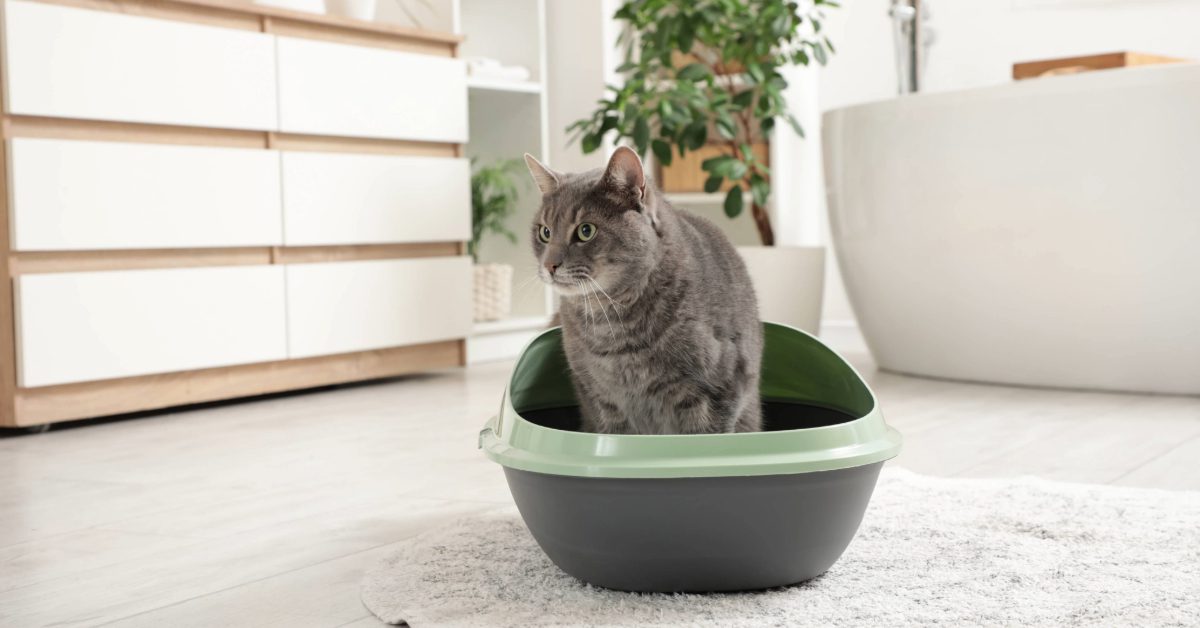
Why is my cat not peeing? The most common culprit is a urinary blockage, followed by bladder inflammation, bladder stones, and stress-related changes that make a cat avoid the litter box. Any of these can turn serious fast, and a cat who strains with little or nothing to show for it needs to be seen right away, not tomorrow. You may have noticed it when the scoop came up clean for a second straight morning, or when your tabby kept hopping in and out of the box, crouching, and walking away with nothing.
Cats are experts at hiding discomfort, so by the time a missing puddle gets your attention, the problem may already be well underway. Bulverde Animal Hospital hears from worried cat owners about this exact situation, and the message from our team is always the same: call early, because time matters more than being sure.
Why Is My Cat Not Peeing? The Most Common Reasons
A cat’s urinary tract is a simple system with very little room for error, which is why small problems become big ones quickly. That is also why the question of “Why is my cat not peeing?” deserves a fast answer.
Urethral Obstruction
When people ask why their cat is not peeing, a blocked urethra is the cause veterinarians think of first. The urethra is the narrow tube that carries urine out of the bladder. Tiny crystals, mucus plugs, or small stones can lodge inside it and seal it shut. Urine then backs up, the bladder swells, and the cat feels increasing pain. This condition is an emergency, and it happens most often in male cats because of their narrower anatomy.
Bladder Inflammation and Stones
Sometimes the issue is irritation rather than a full blockage. Feline idiopathic cystitis, a painful inflammation of the bladder with no single identifiable trigger, makes cats pass small amounts of urine again and again, or none at all. Bladder stones can scrape the lining and add to the problem. A cat dealing with either one may look as though she is trying to go and failing, which leaves owners wondering “Why is my cat not peeing?” even though she keeps visiting the box.
Other Conditions Behind a Dry Litter Box
Not every case involves the bladder. Veterinarians also consider problems elsewhere in the body when a cat produces little urine. Possibilities include:
- Kidney disease, which can either reduce urine output or flood the box with more than usual, depending on the stage
- Severe dehydration from vomiting, diarrhea, or not drinking enough
- Tumors in or near the urinary tract that narrow the passage
- Spinal injuries or nerve problems that interfere with the signals telling the bladder to empty
- Pelvic trauma from a fall or a car accident
Stress adds another layer. A new pet, a move, or a change in routine can make a cat hold her urine or choose a different spot. Still, a stress explanation should only be considered after a veterinarian has ruled out the medical causes, and only an exam can settle “Why is my cat not peeing?” when the signs do not fit the usual pattern.
Signs of a Blockage in Cats
Blockages announce themselves through behavior and body language, and knowing the pattern can save your cat’s life. Anyone typing “Why is my cat not peeing?” into a search bar at midnight is usually looking for exactly this list.
What You May See Around the Litter Box
The classic picture is a cat who keeps going to the box and leaves frustrated. She may crouch for several minutes, strain, cry out, or produce only a few drops. Some cats begin using the bathtub, a sink, or a pile of laundry, because the smooth surfaces feel better against painful skin. If you catch yourself asking “Why is my cat not peeing?” while you watch her squat repeatedly, treat that behavior as a red flag instead of a quirk.
Symptoms That Spread Beyond the Box
As the blockage continues, a cat feels sick all over. Watch for these changes:
- Constant licking of the belly or the genital area
- Vomiting or a sudden refusal to eat
- Hiding under beds or in closets, or sitting hunched and silent
- Crying or growling when someone touches her abdomen
- Weakness, wobbling, or cold ears and paws
- Blood-tinged urine or a strong smell around her resting spots
Why Waiting Is Dangerous
When urine cannot leave the body, waste products and potassium build up in the blood. High potassium can disturb the heart rhythm, and the bladder can become so full that it risks tearing. A blocked cat can decline within a day or two, sometimes sooner. If you are still wondering why your cat is not peeing after a few hours of straining, pick up the phone. Do not wait for the next feeding or the next day.
What Will the Veterinary Team Do for a Cat Who Cannot Pee?
A cat who arrives straining and uncomfortable usually moves to the front of the line, because every minute counts.
The First Exam
Your veterinarian feels the abdomen to see whether the bladder is enlarged, hard, or painful. Heart rate, temperature, hydration, and overall alertness come next. A cat who looks very weak may receive stabilizing care before anything else. Many owners are relieved to hear that the team treats the situation as an urgent one from the moment they walk in, because it affirms that asking “Why is my cat not peeing?” was the right instinct.
Tests That Find the Cause
Bloodwork shows how the kidneys are working and whether electrolytes such as potassium have drifted into a risky range. A urine sample, collected by the veterinary team, reveals crystals, infection, or blood. X-rays or an ultrasound can spot stones and show how large the bladder has become. Together these tests answer “Why is my cat not peeing?” for this particular patient, which shapes every treatment decision afterward.
Treatment in the Hospital
Blocked cats generally need care that cannot be done at home. Veterinarians commonly relieve the blockage under sedation or anesthesia, place a urinary catheter, and give intravenous fluids. Many cats stay in the hospital for monitoring until they can urinate normally on their own. Your veterinarian will explain the plan, what the stay involves, and what follow-up looks like once your cat comes home, so the answer to why your cat is not peeing turns into a real plan.
Information That Helps the Team
Jot down a few details before you leave the house, or share them on the phone while you are on your way:
- The last time you saw her urinate, even roughly
- How many trips to the box you noticed, and how long each one lasted
- Any vomiting, hiding, or loss of appetite since yesterday
- Recent changes at home, such as a new diet, a new pet, or a houseguest
- Whether she has had urinary trouble before
Which Cats Face the Highest Risk?
Any cat can develop a urinary problem, though some situations raise the odds noticeably.
Male Cats
Males have a long, narrow urethra, which makes it easy for a tiny plug to cause a complete blockage. Owners of male cats who wonder “Why is my cat not peeing?” after only a short stretch of straining are right to hurry. Females can become blocked too, but it is far less common.
Indoor, Overweight, and Less Active Cats
Cats who spend their days indoors, carry extra weight, and move around less tend to see more bladder trouble. They also drink less than active cats, which concentrates their urine. For these cats, “Why is my cat not peeing?” is a question worth acting on at the very first sign of trouble. Veterinarians often discuss body condition and water intake during wellness visits for this reason.
Cats in Stressful Households
Shared litter boxes, loud construction, tense multi-cat homes, and routine upheaval can all contribute to bladder inflammation in sensitive cats. A calm environment will not replace medical care, but it is one of the topics a veterinary team may raise with you after the emergency has passed.
When the Litter Box Stays Dry, Call Us First
A cat who cannot urinate cannot wait for a convenient appointment, and you should never feel silly for calling about it. If your cat is straining, crying, or leaving the box with nothing to show for it, call our team at (830) 438-7200 right away so we can tell you what to do next. If our office is closed, go to the nearest 24-hour emergency hospital.
Bulverde Animal Hospital cares for cats from Bulverde and the surrounding area, and we would rather answer a call that turns out to be a false alarm than hear about a blockage that waited too long. For anyone still asking “Why is my cat not peeing tonight?” the safest answer is a quick call and a prompt exam.
Recent Posts
About Us
At Bulverde Animal Hospital, our ultimate goals are excellent service to clients, personal growth, and the professional development of our staff. We are a small clinic creating a significant impact on pets' lives.