
How To Give a Cat a Pill
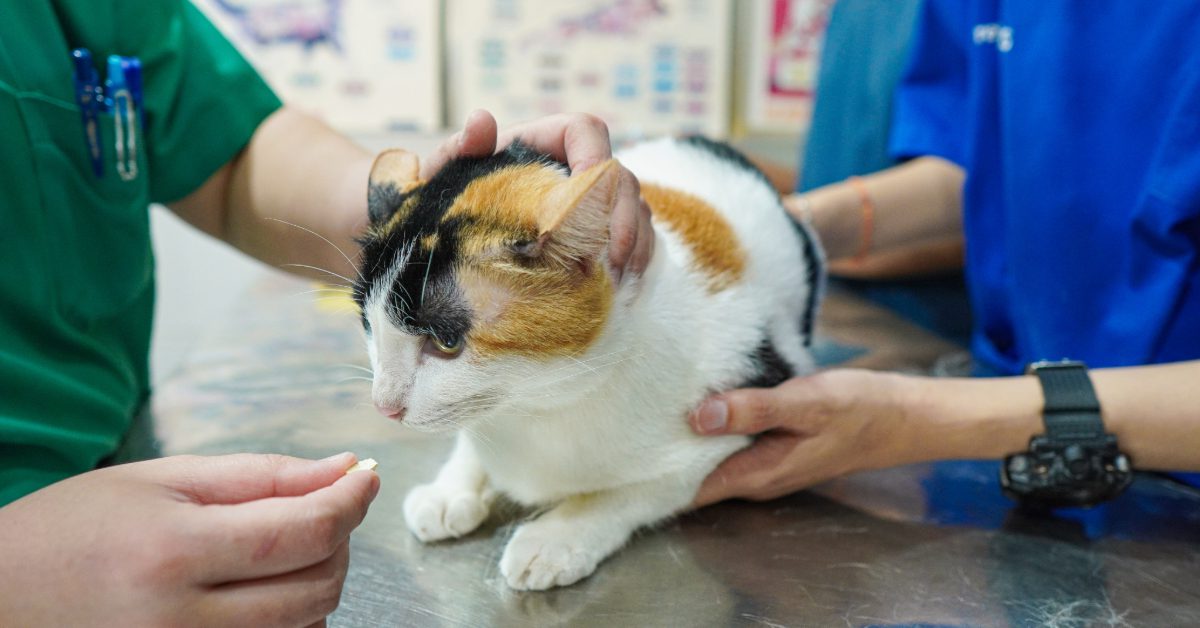
Learning how to give a cat a pill is one of those skills every cat owner eventually needs, and one that most dread. The good news is that giving your cat a pill doesn’t have to be a battle. With the right technique, a little preparation, and some patience, you can get the job done safely and with far less stress for both of you. Below, we’ll walk you through everything you need to know about pilling a cat, from the safest methods to what to do when your cat refuses to cooperate.
Why Giving a Cat a Pill Feels So Hard (And Why It Doesn’t Have to Be)
Cats are notoriously difficult to medicate. Unlike dogs, who can often be fooled by a pill wrapped in a treat, cats tend to be more suspicious of anything unfamiliar in their food, more resistant to being restrained, and more creative about spitting out pills they don’t want to swallow. If you’ve ever gone through the motions of pilling your cat only to find the pill on the floor 10 minutes later, you know exactly what we mean.
But giving your cat a pill is a learnable skill. And when your cat’s health depends on completing a course of medication, knowing how to do it correctly matters. Our veterinary team at Bulverde Animal Hospital works with cat owners in Bulverde, TX every day to make medication administration as smooth as possible.
How to Give a Cat a Pill: Step-by-Step
There are several methods for giving a cat a pill, and the best one for you depends on your cat’s temperament and the type of pill prescribed. Here are the most reliable techniques, starting with the most hands-on and progressing to more cat-friendly alternatives.
The Direct Hand Method
This is the most commonly used technique for giving a cat a pill by hand. Follow these steps carefully:
- Gather everything beforehand. Have the pill ready and within reach before you approach your cat. You may also want a towel for wrapping (“burrito wrapping”) your cat if they tend to scratch.
- Position your cat securely. Sit on the floor or a low surface with your cat facing away from you. Place the cat between your knees to limit wiggling, or have a helper hold them gently but firmly.
- Tilt the head back. Use your non-dominant hand to hold your cat’s head from above. Place your thumb and forefinger on either side of the upper jaw, just behind the canine teeth. Tilt the head back gently until the nose points toward the ceiling.
- Open the lower jaw. With the head tilted, use a finger of your other hand to gently press down on the lower front teeth to open the mouth.
- Place the pill. Quickly place the pill as far back on the tongue as possible, near the center. The further back it goes, the less likely your cat is to spit it out.
- Close the mouth and hold. Close your cat’s mouth, hold it gently shut, and keep the head level. Stroke the throat in a downward motion or gently blow on the nose to encourage swallowing.
- Offer water. Use a syringe to offer a small amount of water after the pill to help it move down the esophagus and prevent irritation.
Always watch for your cat swallowing, and check the floor nearby for the pill in the minutes after. Cats are remarkably good at holding a pill in their cheek and depositing it elsewhere later.
Using a Pill Popper or Piller Device
A pill popper (also called a pill gun or cat piller) is a plastic syringe-style device with a soft tip that holds the pill and deposits it at the back of your cat’s throat. It puts some distance between your fingers and your cat’s teeth, which many owners find reassuring. The technique is the same as the direct hand method, but the device does the placement work for you. Your veterinarian at Bulverde Animal Hospital can demonstrate how to use one on your first visit if this sounds like the right fit for your cat.
Hiding the Pill in Food
If your cat is a less suspicious eater and the prescribing veterinarian has confirmed the pill can be given with food, hiding it in a small amount of a strong-smelling food can work well. Pill pockets designed for cats are soft treats with a built-in space for a pill. Small amounts of tuna, cream cheese, or a pill-concealing treat may also work, though results vary by cat. Always check with your veterinarian before hiding medication in food. Some medications should not be given with food, and others lose efficacy when mixed with certain ingredients.
Tips for Making It Easier to Give Your Cat a Pill
Even with the right technique, a little preparation goes a long way. These strategies can significantly improve your cat’s willingness to cooperate and reduce the stress of medication time for everyone involved.
- Practice handling your cat’s mouth before medication is needed. Cats that are used to having their mouths touched are much easier to pill. Gently lifting the lip and touching the teeth during calm, everyday moments desensitizes your cat to the sensation over time.
- Stay calm. Cats are highly attuned to human stress. If you’re tense going into the pill-giving session, your cat will likely be tense too. Take a breath, move confidently, and try not to make a big production of it.
- Choose the right moment. A sleepy, relaxed cat is much easier to pill than one that is active and alert. Many cat owners find that early morning or after a play session, when the cat is winding down, is the easiest time.
- Work quickly. Once you start, move with purpose. The longer it takes, the more time your cat has to work out a strategy for avoiding the pill.
- Follow up with something positive. After a successful pilling, offer your cat a treat, some gentle affection (if they’re receptive), or a meal. Building a positive association with the experience helps over time.
What If My Cat Absolutely Won’t Take a Pill?
Some cats are extremely resistant to pilling, and forcing the issue can damage your relationship with your cat and make future medication attempts even harder. If you’re struggling with giving your cat a pill, you have options. Talk to our veterinary team at Bulverde Animal Hospital. There are often alternatives that work better for difficult-to-medicate cats.
Ask About Liquid Formulations
Many medications that come in pill form can be compounded into a flavored liquid that’s easier to administer. A liquid is often simpler to get into a cat’s mouth with a small syringe. Your veterinarian can advise whether a compounded liquid version of your cat’s medication is available.
Ask About Transdermal Gels
For some medications, a transdermal gel that absorbs through the skin of the inner ear flap is available. This eliminates the need to get anything into your cat’s mouth at all. Not all medications can be delivered this way effectively, but it’s worth asking about when oral administration isn’t working.
Ask About Long-Acting Injections
For certain conditions, long-acting injectable medications administered at our veterinary clinic are available. These eliminate the need for daily at-home pilling entirely. Our team at Bulverde Animal Hospital can let you know if an injectable option exists for your cat’s specific condition.
When to Ask Your Vet for a Demonstration
If your cat has been prescribed medication and you’re unsure about the pilling technique, ask our team at Bulverde Animal Hospital to walk you through it before you leave the clinic. Our veterinary staff can demonstrate how to give a cat a pill using your cat right there in the exam room, which is often far more helpful than any written instruction.
We can also help you troubleshoot if a technique that worked initially stops working, or if your cat’s medication needs change over time. Getting it right matters as incomplete medication courses can allow infections to return or conditions to worsen.
Making Medication Part of a Healthy Cat Routine
Knowing how to give a cat a pill is a practical skill that pays off throughout your cat’s life. Whether it’s a short antibiotic course, a monthly parasite prevention tablet, or a long-term medication for a chronic condition, confident and effective pill administration is something every cat owner can develop with the right guidance and practice.
At Bulverde Animal Hospital in Bulverde, TX, we’re committed to supporting you beyond the exam room. From medication counseling to compounding options, our goal is to make your cat’s care as manageable and stress-free as possible. If you have questions about your cat’s current medication or upcoming prescription needs, we’re always here to help. Give us a call at (830) 438-7200 or request an appointment online today.
Recent Posts
About Us
At Bulverde Animal Hospital, our ultimate goals are excellent service to clients, personal growth, and the professional development of our staff. We are a small clinic creating a significant impact on pets' lives.