How Long to Wait to Walk Dog After Eating
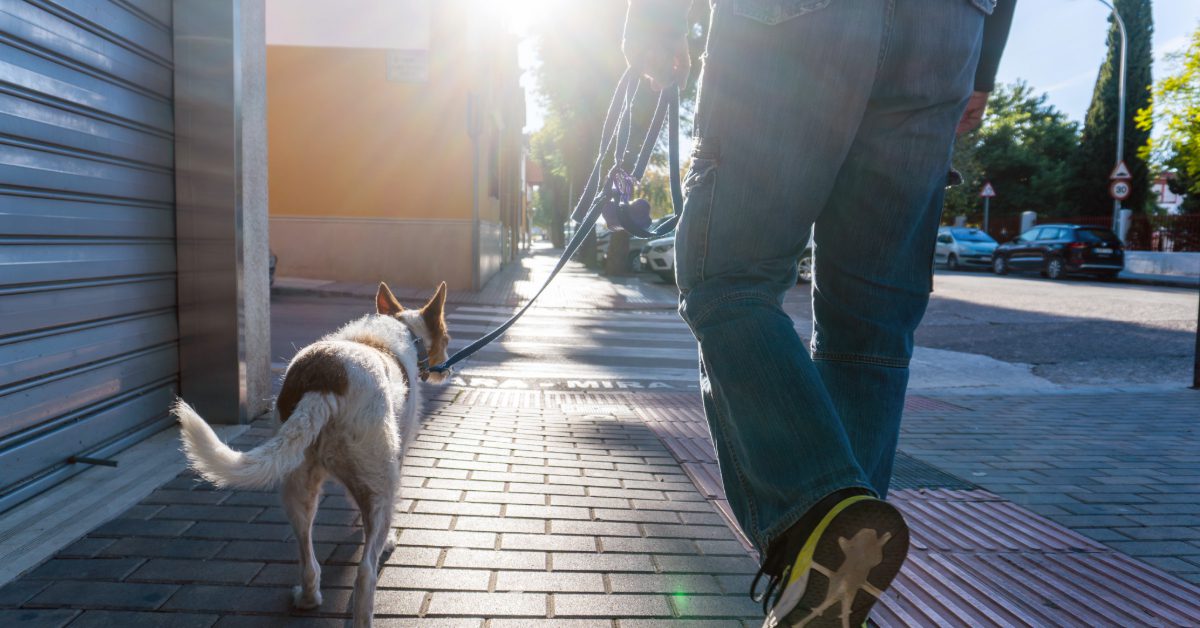
Knowing how long to wait to walk your dog after eating could literally save your dog’s life. Most veterinarians recommend waiting at least 30 minutes to 2 hours after a meal before taking your dog for a walk or any vigorous exercise, and for large or deep-chested breeds, that wait time matters even more. Whether you’re asking because you’re building a new routine or because you’ve heard the warnings about bloat, this guide will give you the clear, science-backed answers you need to keep your dog safe and healthy.
Why Timing Your Dog’s Walk After Eating Actually Matters
It might feel like a small detail in your daily routine, but the timing between your dog’s meal and their walk is a genuine health concern, not just an old wives’ tale. When your dog eats, their body redirects blood flow to the digestive system to process that meal. Physical activity immediately after eating disrupts that process and, in some dogs, can trigger a dangerous and life-threatening condition called gastric dilatation-volvulus, more commonly known as bloat.
At Bulverde Animal Hospital, our team educates pet owners throughout the Bulverde, TX area on this topic frequently because prevention is far easier than treatment.
What Is Bloat in Dogs?
Bloat occurs when a dog’s stomach fills with gas and, in severe cases, twists on itself. When the stomach twists, it cuts off blood supply to surrounding organs and can become fatal within hours without emergency surgery. It is one of the most serious conditions a dog can experience, and exercising too soon after eating is a recognized risk factor.
Which Dogs Are Most at Risk?
While any dog can technically develop bloat, deep-chested and large breeds face significantly higher risk. If you have one of the following breeds, it is especially important to know how long to wait before walking your dog after a meal:
- Great Danes
- German Shepherds
- Standard Poodles
- Doberman Pinschers
- Boxers
- Weimaraners
- Saint Bernards
- Irish Setters
Older dogs, dogs who eat very quickly, and dogs who eat from elevated bowls may also carry a higher risk. If you’re unsure about your dog’s individual risk level, ask the team at Bulverde Animal Hospital during your next visit.
How Long Should You Wait to Walk Your Dog After Eating?
So what’s the actual answer to how long to wait to walk your dog after eating? The general veterinary guidance breaks down like this:
Small Dogs and Low-Energy Walks
For small breeds or toy dogs who eat modest amounts, waiting at least 30 minutes before a leisurely, low-intensity walk is generally considered safe. These dogs are at lower risk for bloat, but their digestive systems still benefit from a brief rest period after eating.
Medium and Large Dogs
For medium to large dogs, most veterinarians recommend waiting a minimum of 1 to 2 hours after eating before going for a walk. This gives the stomach time to begin emptying and significantly reduces the risk of bloat. A slow, short bathroom walk immediately after eating is usually fine, just avoid any running, jumping, or intense activity.
After Vigorous Exercise or Training
If you’re planning more than a casual stroll, think fetch, agility, swimming, or jogging, wait the full 2 hours after your dog eats before engaging in that activity. And just as important: don’t feed your dog immediately after intense exercise. Let them rest for at least 30 minutes before offering food.
Can You Walk a Dog Right After Eating?
Can you walk a dog right after eating? The short answer is: it depends on the walk. A brief, slow walk to the backyard for a bathroom break is generally fine. What you want to avoid is any sustained, vigorous movement in the 30 minutes to 2 hours following a full meal. Running, rough play, and high-energy walks all put your dog at risk, particularly if they’ve eaten a large amount of food.
Think of it this way: you wouldn’t sprint right after Thanksgiving dinner. Your dog’s body works similarly. The digestive system needs time to do its job without competition from working muscles.
Building a Safe Daily Routine Around Meals and Walks
One of the best things you can do for your dog’s health and your own sanity is to build a consistent schedule that naturally spaces out meals and walks. Here are some practical tips for structuring your dog’s day:
- Walk before meals when possible. Schedule your dog’s longer walks or exercise sessions before feeding time, then offer their meal when you return home.
- Feed two smaller meals instead of one large one. Splitting your dog’s daily portion into two meals can reduce the amount of gas produced at one time and lower bloat risk.
- Use a slow feeder bowl. If your dog tends to eat quickly, a slow feeder bowl or puzzle feeder can reduce the amount of air they swallow while eating, which is another bloat risk factor.
- Keep post-meal time calm. After your dog eats, encourage them to rest. Skip the tug-of-war, the wrestling, and the backyard sprints for at least an hour.
- Be consistent. Dogs thrive on routine. Once you establish a meal-and-walk schedule that works, stick to it. It reduces stress and supports healthy digestion.
Signs Your Dog May Have Eaten Too Much or Too Fast
Even with the best routine in place, dogs sometimes eat too quickly or too much. Knowing the signs of digestive discomfort can help you respond quickly if something seems off after mealtime.
Signs of Minor Digestive Discomfort
You might notice your dog seems lethargic after a meal, passes more gas than usual, or has a mildly distended belly. These signs often resolve on their own but are worth monitoring, especially if they happen frequently. Mention them to your vet at your next appointment so any underlying dietary issues can be addressed.
Emergency Warning Signs of Bloat
Bloat is a veterinary emergency. If you notice any of the following signs after your dog eats, especially if you’ve skipped the waiting period before a walk, contact Bulverde Animal Hospital or an emergency veterinary clinic immediately:
- A visibly distended or hard abdomen
- Unproductive retching or attempting to vomit without bringing anything up
- Restlessness, pacing, or inability to get comfortable
- Excessive drooling
- Pale or white gums
- Weakness or collapse
Time is absolutely critical with bloat. Do not wait to see if the symptoms improve on their own.
What Does Your Bulverde Vet Say?
Every dog is different. Breed, age, weight, activity level, and overall health all factor into how long you should wait to walk your dog after eating. The general guidelines above are a solid foundation, but your veterinarian can give you personalized recommendations that take your specific dog into account.
Our team at Bulverde Animal Hospital is here to help you build healthy daily habits for your dog, from meal timing and exercise routines to preventive care and wellness exams. Located in Bulverde, TX, we’re proud to serve dogs and their families throughout the Texas Hill Country. If you have questions about your dog’s diet, exercise schedule, or digestive health, we’d love to hear from you.
The Smart Dog Owner’s Guide to Mealtime and Exercise Safety
Understanding how long to wait to walk your dog after eating is one of the simplest and most impactful things you can do to protect your dog’s health. For most dogs, waiting 1 to 2 hours before a walk or exercise session after eating is the right call. For smaller dogs and short bathroom breaks, 30 minutes is typically sufficient. Vigorous activity should always wait the full 2 hours.
A little patience at mealtime can prevent a life-threatening emergency. And when in doubt, your veterinarian at Bulverde Animal Hospital is always your best resource for guidance tailored to your dog’s unique needs. Call (830) 438-7200 or request an appointment online, and let’s talk about building the healthiest possible routine for your pup.
Recent Posts
About Us
At Bulverde Animal Hospital, our ultimate goals are excellent service to clients, personal growth, and the professional development of our staff. We are a small clinic creating a significant impact on pets' lives.