
Why Does My Cat Keep Biting My Feet?
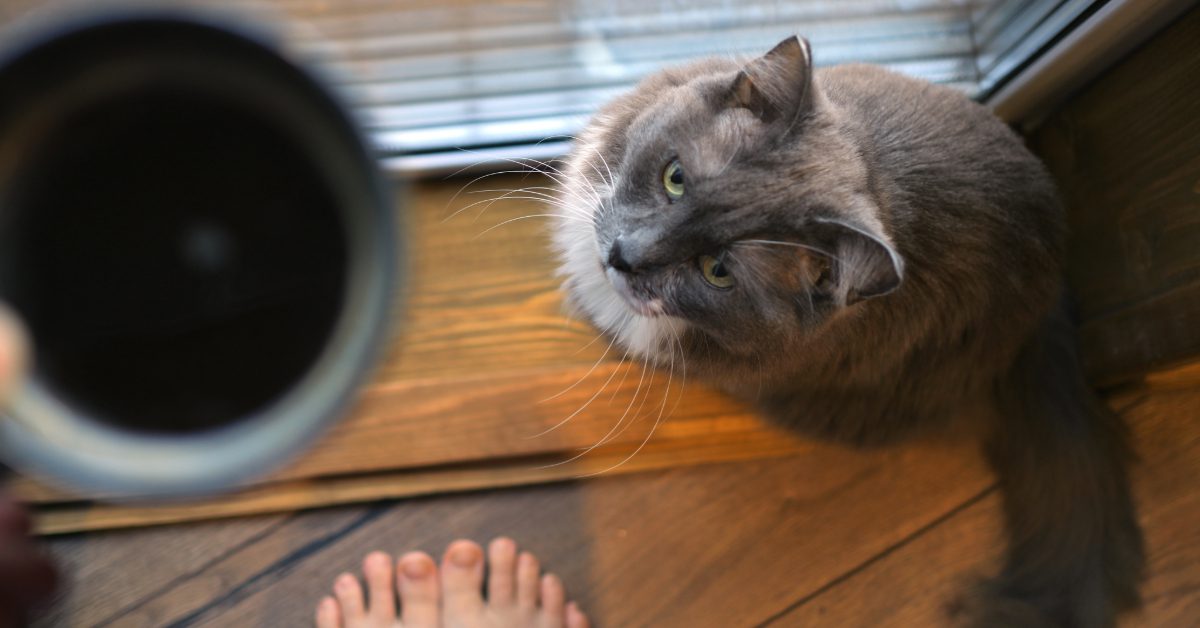
If your cat keeps biting your feet, you’re definitely not alone, and your cat isn’t being mean. Cats bite feet for a variety of reasons, most of which are completely normal feline behaviors. Understanding why your cat bites your feet is the first step toward redirecting that behavior and building a stronger, more comfortable bond with your pet. This guide breaks down the most common reasons cats go after feet and what you can do about it.
Why Do Cats Bite Feet? The Short Answer
Your cat bites your feet because it’s a natural feline behavior rooted in hunting instinct, play drive, attention-seeking, or overstimulation. Feet are irresistible targets for cats. They move unpredictably, they’re at ground level, and they mimic the kind of prey cats are hardwired to chase and pounce on. In most cases, foot-biting is not aggressive behavior. It’s communication, play, or instinct.
That said, understanding the specific reason your cat bites your feet can help you respond in a way that works for both of you. Our team at Bulverde Animal Hospital in Bulverde, TX, frequently helps cat owners decode confusing feline behaviors, and foot-biting is one of the topics that comes up.
Common Reasons Your Cat Keeps Biting Your Feet
If you keep asking yourself “Why does my cat keep biting my feet?” the answer usually falls into one of these categories. Cats don’t bite without reason, even if that reason isn’t immediately obvious to us.
Your Cat Is in Play Mode
Play is the most common reason cats bite feet. Kittens especially learn to hunt by practicing on anything that moves and your moving feet under a blanket or shuffling across the floor are the perfect target. Even adult cats retain strong play drives, and if they don’t have enough outlets for that energy, your feet become the default toy. This is especially likely if your cat pounces, bats, or stalks before biting. They’re not attacking you, they’re hunting, in the only way they know how to do it indoors.
Your Cat Is Bored or Under-Stimulated
A bored cat is a mischievous cat. If your cat bites your feet frequently and seems restless or hyperactive, lack of mental and physical stimulation is likely a contributing factor. Cats need daily enrichment such as interactive play, climbing opportunities, puzzle feeders, and window access to keep their minds occupied. When those needs aren’t met, your ankles and toes become fair game.
Your Cat Is Seeking Attention
Cats learn quickly that biting your feet gets a reaction and any reaction, even a startled yelp or a firm “no,” is a form of attention. If your cat bites your feet when you’re busy, on your phone, or ignoring them, they may have learned that foot-biting is an effective way to demand your focus. In this context, the biting is a communication strategy, not aggression.
Your Cat Is Overstimulated
Some cats bite during or after petting, not just feet, but any accessible body part because they’ve reached their threshold for physical contact. This is sometimes called “petting-induced aggression,” and it’s a well-documented feline behavior. If your cat seems fine one moment and then suddenly bites, watch for the warning signs: tail flicking, skin twitching, dilated pupils, or flattened ears. These signals usually precede an overstimulation bite.
Your Cat Is a Kitten Learning Bite Inhibition
Kittens that are weaned too early or separated from their littermates before learning proper play boundaries often grow into cats that bite too hard. Littermates teach each other how much pressure is too much during play, and cats who missed that lesson may not realize they’re biting hard enough to hurt. This isn’t aggression, it’s a developmental gap that can be addressed with patient, consistent redirection.
Is It Normal for Cats to Bite Feet? When Should You Be Concerned?
Yes, it is normal for cats to bite feet in a playful context. It becomes a concern when the biting is intense, frequent, unpredictable, or accompanied by other behavioral changes. Here’s how to distinguish play biting from something more serious:
- Play biting is usually preceded by stalking, crouching, or tail-twitching. The cat may bite and release quickly, then immediately want to continue playing. Bites are generally gentle and the cat remains relaxed afterward.
- Fear or pain-based biting tends to be more sudden and intense, without the playful preamble. The cat may hiss, flatten their ears, or try to flee immediately after biting. This type of biting often signals that the cat is hurting or frightened.
- Redirected aggression occurs when a cat is aroused by something they can’t reach (like a cat outside the window) and lashes out at the nearest available target, which might be your feet. This biting can be more intense and harder to predict.
If your cat’s biting has recently become more frequent, more intense, or has shifted from playful to seemingly unprovoked, a visit to Bulverde Animal Hospital is a good idea. A sudden change in behavior can sometimes signal an underlying medical issue, including pain, dental problems, or neurological changes.
What to Do When Your Cat Bites Your Feet
Once you understand why your cat bites your feet, you can start redirecting the behavior. There are several strategies that many cat owners find helpful, though the approach that works best depends on the individual cat and the underlying reason for the biting.
Increase Interactive Playtime
The most effective way to reduce foot-biting from play drive or boredom is to give your cat more appropriate outlets for their hunting instinct. Wand toys, feather teasers, laser pointers, and toy mice all give your cat something to chase, pounce on, and bite that isn’t attached to your body. Aim for at least two 10 to 15-minute play sessions per day, ideally ending with your cat catching their “prey” so they feel satisfied.
Redirect, Don’t Punish
When your cat goes for your feet, redirect them to an appropriate toy immediately rather than pushing them away or using any form of punishment. Punishment tends to increase anxiety and can actually make biting worse over time. A calm, consistent redirection to a toy teaches your cat what they’re allowed to bite, rather than simply communicating that biting is bad.
Don’t Use Your Feet as Toys
This one is simple but important: avoid wiggling your toes at your cat, letting them pounce on your feet under the covers, or using your feet to engage them in play. Even if it’s cute when they’re a kitten, you’re reinforcing the association between your feet and prey. Once established, that association is hard to break.
Provide Environmental Enrichment
Cat trees, window perches, bird feeders outside the window, puzzle feeders, and rotating toys can all help keep a bored cat entertained without requiring your constant involvement. A well-enriched environment is one of the most underrated tools for reducing problem behaviors in cats.
Why Does My Cat Bite My Feet at Night?
Cats are naturally crepuscular, which means most active at dawn and dusk, and many cats get a burst of energy late at night or in the early morning hours. Your moving feet under the covers are an irresistible trigger for that pent-up energy.
To reduce nighttime biting, try scheduling a vigorous play session right before bed. Follow it with a small meal, since cats naturally sleep after eating. This routine can help shift your cat’s energy cycle so they’re calmer during the hours you’re trying to sleep.
When to Talk to Your Veterinarian About Cat Biting Behavior
Most foot-biting is harmless and manageable with behavioral strategies. But there are situations where a veterinary conversation is warranted. Contact Bulverde Animal Hospital if:
- The biting is sudden and new, especially in an older cat with no prior history of biting behavior
- The biting is accompanied by other behavioral changes such as hiding, loss of appetite, aggression toward people or other pets, or vocalization
- The biting is intense enough to break the skin or cause injury
- You’ve tried consistent redirection strategies for several weeks with no improvement
Your veterinarian can rule out medical causes, refer you to a veterinary behaviorist if needed, and help you develop a plan that works for your specific cat’s personality and needs.
What Your Cat’s Foot-Biting Is Really Telling You
When your cat bites your feet, they’re communicating something, whether it’s “I want to play,” “I’m bored,” “pay attention to me,” or “I’m overstimulated.” Learning to read those signals and respond in a way that meets your cat’s needs is what good cat ownership is all about.
Our veterinary team at Bulverde Animal Hospital loves helping cat owners better understand their pets. From behavioral guidance to comprehensive wellness care, we’re here to support the full health and happiness of your cat in Bulverde, TX and throughout the surrounding Hill Country communities. Call us at (830) 438-7200 or request an appointment online today if you have questions about your cat’s behavior or overall health.
Recent Posts
About Us
At Bulverde Animal Hospital, our ultimate goals are excellent service to clients, personal growth, and the professional development of our staff. We are a small clinic creating a significant impact on pets' lives.