Mange in Dogs
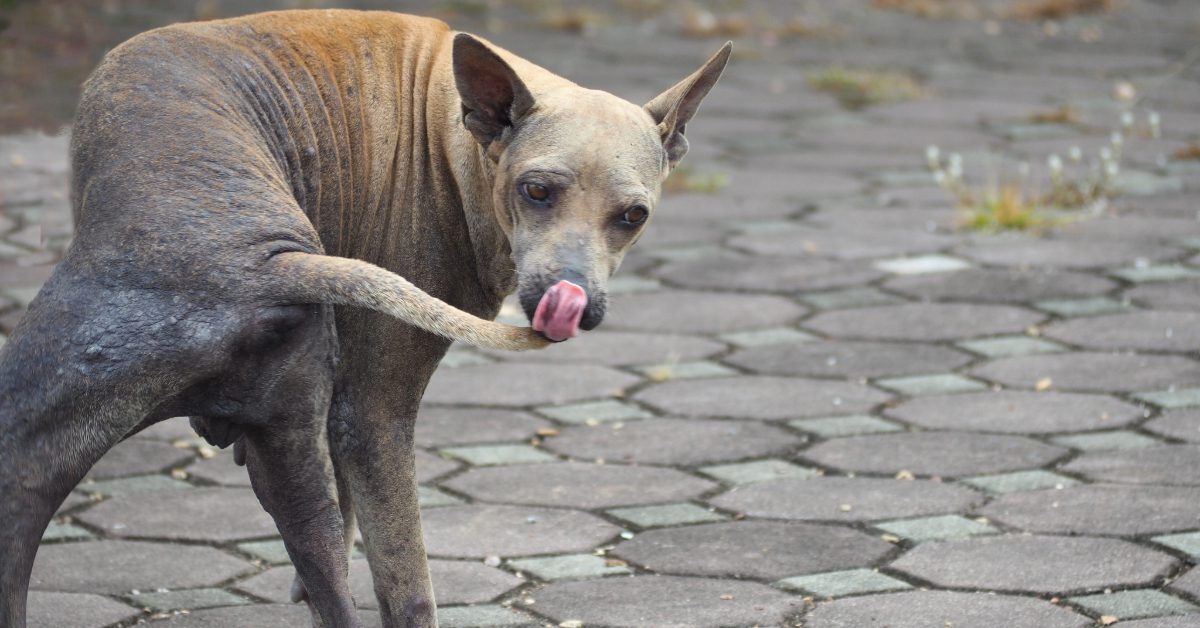
Mange in dogs is a skin condition caused by microscopic mites that live on or burrow into the skin, leading to irritation, hair loss, and persistent itching. We often see pet owners arrive worried because their dog’s coat looks thinner than usual or their pet cannot stop scratching. Those early changes can feel subtle at first, but they often signal a larger issue developing beneath the surface of the skin. Mange in dogs can affect pets of any age or breed, and its appearance varies depending on the type of mite involved. Understanding how this condition develops and what signs to watch for helps pet owners act sooner and protect their dog’s comfort.
What Causes Mange in Dogs?
Mange in dogs develops when certain species of mites multiply on the skin and trigger inflammation. Some mites live naturally on dogs in very small numbers and only cause problems when a dog’s immune system struggles to keep them in balance. Other mites spread through close contact with infected animals and cause rapid skin changes. Mange in dogs is not a single disease, but a category of skin conditions with shared symptoms and different causes. The most common forms seen in veterinary practices differ in how they spread, how severe they become, and how long symptoms last.
Environmental stress, underlying illness, age, and immune health can all influence whether mange in dogs becomes an issue. Puppies, senior dogs, and pets dealing with other medical conditions may be more vulnerable to flare-ups. Crowded environments, such as shelters or boarding facilities, can also increase exposure to contagious mites. While mange in dogs can look alarming, early veterinary involvement often improves outcomes and reduces discomfort.
Sarcoptic Mange in Dogs
Sarcoptic mange in dogs, also known as canine scabies, is one of the most contagious and uncomfortable forms of mange. This type occurs when Sarcoptes scabiei mites burrow into the outer layers of a dog’s skin. These mites cause an intense immune response, leading to severe itching and inflammation. Sarcoptic mange in dogs can spread quickly through direct contact with other infected animals and may also affect humans temporarily.
Dogs with sarcoptic mange often show symptoms suddenly, even if they seemed healthy days earlier. The itching can be relentless and disruptive, affecting sleep and behavior. Because this form of mange spreads easily, early identification matters for the health of other pets in the household.
Common Signs of Sarcoptic Mange
Dogs with this condition may experience several noticeable skin changes, including:
- Persistent scratching, biting, or rubbing against furniture
- Red, inflamed skin with scabs or crusts
- Hair loss, especially on the ears, elbows, belly, and chest
- Thickened or darkened skin over time
These signs of sarcoptic mange in dogs often worsen quickly without veterinary attention. The discomfort alone usually prompts pet owners to seek care, but limiting spread to other animals is another important reason to act promptly.
Demodectic Mange
Another form of mange in dogs is demodectic mange, which develops when Demodex mites multiply beyond normal levels. These mites live on most dogs naturally and usually do not cause issues. Problems arise when a dog’s immune system cannot regulate mite populations. Demodectic mange in dogs often appears in localized patches and may look less dramatic at first.
Localized cases may affect small areas around the face or paws, while generalized cases can spread across large portions of the body. Unlike sarcoptic mange in dogs, demodectic mange is not considered contagious to other pets or people. Still, it can become serious if it progresses unchecked.
Symptoms Pet Owners Should Watch For
Mange in dogs can appear differently depending on the type, severity, and duration of the condition. Some dogs show mild signs that progress slowly, while others experience sudden and intense discomfort. Paying attention to changes in your dog’s skin and behavior helps catch issues early.
Common symptoms of mange in dogs include:
- Patchy or widespread hair loss
- Redness, flaking, or crusted skin
- Strong or unusual skin odor
- Changes in behavior, such as restlessness or irritability
In some cases, dogs may lose weight or appear lethargic if the condition persists. Chronic itching can disrupt sleep and affect overall quality of life. When symptoms linger or worsen, a veterinary visit provides clarity and direction.
How Mange in Dogs Is Diagnosed
Diagnosing mange in dogs involves evaluating skin changes, medical history, and environmental exposure. Veterinarians may perform skin scrapings or other diagnostic tests to identify mites or rule out similar conditions. Because several skin disorders share overlapping signs, proper diagnosis ensures that treatment plans address the correct cause.
At Bulverde Animal Hospital, we focus on understanding the full picture of a dog’s health rather than treating symptoms alone. Skin conditions often connect to immune health, nutrition, and stress levels. Identifying mange in dogs early allows us to discuss management options and next steps tailored to each patient.
Managing Mange at Home and at the Clinic
While mange in dogs requires veterinary oversight, pet owners often ask what they can do at home to support their dog’s comfort. General skin care and environmental management can play a supportive role alongside professional treatment plans.
Helpful at-home measures may include:
- Keeping bedding clean and washed regularly
- Reducing exposure to unfamiliar animals
- Maintaining consistent grooming routines
These steps do not replace veterinary care, but they can help reduce irritation and prevent reinfestation. Because mange in dogs varies widely in severity, treatment approaches differ from one case to another. Discussing options with your veterinarian ensures safe and effective care.
Is Mange in Dogs Preventable?
Preventing mange in dogs involves reducing exposure risks and supporting overall skin and immune health. Routine veterinary visits allow early detection of skin changes before they escalate. Dogs that socialize frequently with other pets may benefit from closer monitoring for itching or hair loss.
A balanced diet, regular parasite prevention, and prompt attention to skin concerns all contribute to reducing the risk of mange in dogs. While not every case is preventable, early recognition often limits discomfort and shortens recovery time.
When to Contact Your Veterinarian
Any dog showing persistent itching, hair loss, or skin irritation deserves veterinary attention. Mange in dogs can mimic allergies, infections, or other dermatologic issues, making professional evaluation essential. Delaying care may allow symptoms to intensify and prolong discomfort.
If you notice changes in your dog’s skin or coat, call Bulverde Animal Hospital at (830) 438-7200 or book an appointment online. Our team helps pet owners understand what their dog is experiencing and outlines appropriate next steps.
Restoring Comfort When Mange Appears
Mange in dogs can feel overwhelming when it first appears, especially when symptoms escalate quickly. With veterinary guidance and attentive care, many dogs regain healthy skin and comfort over time. Recognizing early signs, understanding the differences between types, and seeking timely care all make a meaningful difference. If you have concerns about mange in dogs or notice changes in your pet’s skin, our team at Bulverde Animal Hospital is here to provide clarity and direction.
Recent Posts
About Us
At Bulverde Animal Hospital, our ultimate goals are excellent service to clients, personal growth, and the professional development of our staff. We are a small clinic creating a significant impact on pets' lives.