
Do Puppies Lose Teeth?
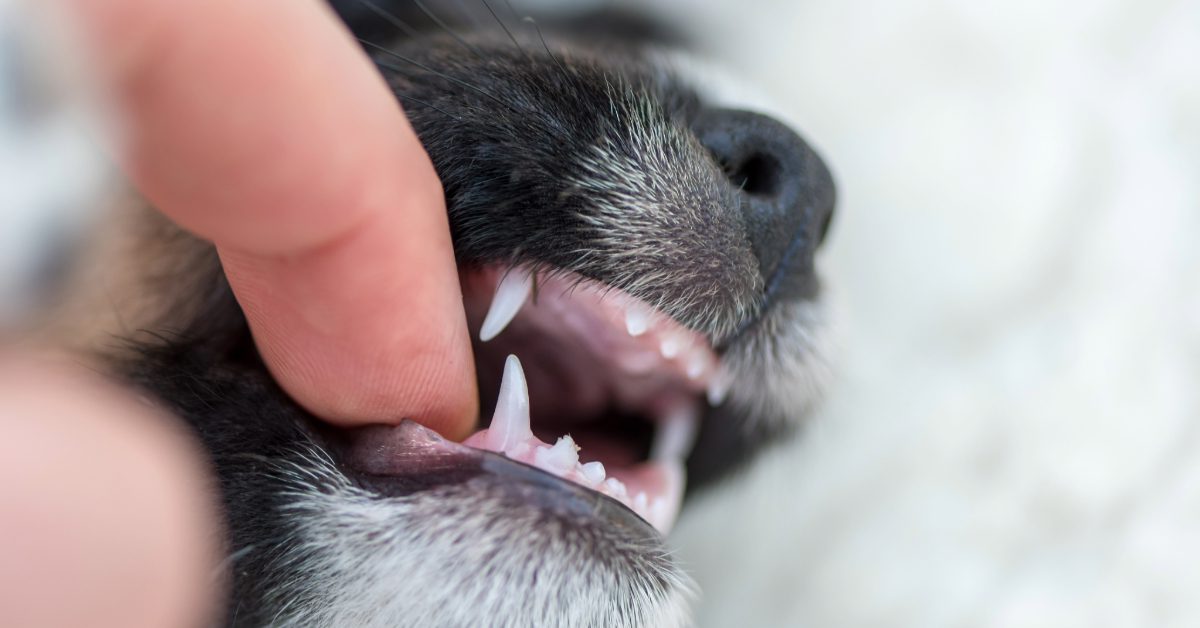
It often surprises people the first time they find a tiny tooth on the floor or notice a sudden gap in their puppy’s smile. That moment usually arrives during an already busy stage of puppyhood, when chewing intensifies and curiosity runs high. From a veterinary perspective, this process is a normal part of growth and development, and it signals that a puppy is transitioning from baby teeth to a full set of adult teeth. Understanding how and when this happens can make the experience feel far less alarming and much easier to manage at home.
At Bulverde Animal Hospital, we often talk with puppy owners who ask, “Do puppies lose teeth the same way kids do?” The short answer is yes, though the timeline moves much faster. Knowing what to expect allows you to spot normal changes, reduce discomfort, and recognize when something may need professional attention.
When Do Puppies Lose Their Baby Teeth?
Most puppies begin losing their baby teeth between 12 and 16 weeks of age, though the process can start slightly earlier or later depending on breed and individual development. By the time a puppy reaches six to seven months old, most adult teeth have erupted and the teething phase is complete. This fast-paced dental transition often catches pet owners off guard, especially since puppies rarely show obvious signs of losing teeth.
Baby teeth, also called deciduous teeth, are smaller, sharper, and designed to fall out easily. As adult teeth push up through the gums, the roots of the baby teeth dissolve, allowing them to loosen and drop out naturally. In many cases, puppies swallow their baby teeth while eating or chewing, which is why owners rarely find them.
A Typical Puppy Teething Timeline
While every puppy develops at a slightly different pace, this general timeline helps explain when changes usually occur:
- 3–4 weeks: Baby teeth begin erupting
- 12–16 weeks: Baby teeth start to fall out
- 4–6 months: Adult teeth actively come in
- 6–7 months: Most puppies have a full adult set
If you are wondering “do puppies lose teeth all at once,” the answer is no. The process occurs gradually, often over several weeks, with some days appearing more active than others.
Which Teeth Do Puppies Lose First?
Puppies tend to lose their baby teeth in the same general order they erupted. Incisors, which are the small teeth at the front of the mouth, usually fall out first. Canines and premolars follow shortly after. Molars are not replaced, as puppies do not have baby molars; those appear only as adult teeth.
Common Teeth Affected During Teething
During this stage, you may notice changes involving:
Incisors: Often the first to loosen and fall out
Canines: These longer teeth may take more time to release
Premolars: Typically replaced as chewing increases
It is common for a puppy’s gums to look slightly red or irritated during this time. Mild bleeding may occur, especially after chewing, and this is usually part of the normal process.
What Are Normal Signs of Puppy Teething?
Many pet owners ask about puppies losing teeth because they notice sudden changes in behavior. Teething can feel uncomfortable, and puppies often respond by chewing more frequently or showing temporary shifts in appetite.
Common teething behaviors include:
- Increased chewing on toys, furniture, or hands
- Mild gum sensitivity or redness
- Occasional drooling
- Brief changes in eating habits
Some puppies seem unfazed by teething, while others become more mouth-focused and restless. These differences often relate to breed tendencies, jaw structure, and individual sensitivity.
Safe Ways to Manage Puppy Teething at Home
While teething is not a medical issue in most cases, there are general comfort measures that many pet owners use to help puppies during this phase. These approaches focus on redirecting chewing behavior rather than treating pain.
Helpful At-Home Strategies
You can often ease teething-related frustration by:
- Offering puppy-safe chew toys with varied textures
- Rotating toys to maintain interest
- Chilling rubber chew toys briefly to soothe gums
- Redirecting chewing away from hands and household items
Consistency matters during this stage. Puppies explore the world with their mouths, and teething amplifies that instinct. Providing appropriate outlets helps protect both your puppy’s teeth and your belongings.
When Teething Doesn’t Follow the Usual Pattern
While most puppies lose teeth without issues, there are times when the process doesn’t unfold as expected. One common concern involves retained baby teeth, where a baby tooth does not fall out even though the adult tooth has emerged.
Retained Baby Teeth
Retained teeth most often affect smaller breeds, though they can occur in any puppy. When both teeth remain in place, food and debris can collect between them, increasing the risk of dental problems later in life.
Signs that may suggest a retained tooth include:
- Two teeth occupying the same space
- Adult teeth appearing misaligned
- Persistent bad breath at a young age
If you notice these changes, a veterinary exam helps determine whether monitoring or intervention is appropriate.
How Puppy Dental Care Sets the Stage for Adult Oral Health
The teething phase offers an early opportunity to establish positive dental habits. Even though baby teeth will fall out, the routines formed during puppyhood often carry into adulthood.
Building Healthy Dental Habits Early
Veterinary teams often recommend starting with:
- Gentle mouth handling to build comfort
- Introducing puppy-safe toothbrushes
- Creating calm, routine-based dental interactions
These steps support smoother transitions into adult dental care. Puppies that grow accustomed to oral handling often experience less stress during future veterinary visits.
When to Call Your Veterinarian About Teething Concerns
Pet owners often ask us, “Do puppies lose teeth without any problems, or should I be watching for specific warning signs?” While most teething is uneventful, certain symptoms merit a call to your veterinary team.
Contact your veterinarian if you notice:
- Persistent bleeding that does not resolve
- Swelling or discharge from the gums
- Strong, unusual mouth odor
- Refusal to eat for more than a day
At Bulverde Animal Hospital, we encourage pet owners to call (830) 438-7200 or book an appointment online if something feels off. Early evaluation allows us to confirm whether what you’re seeing fits within normal development.
Why Puppy Teething Is a Short but Important Phase
Teething moves quickly, but it plays a lasting role in shaping adult oral health. Puppies rely on this natural process to develop strong, properly aligned teeth that support lifelong eating and play behaviors.
Understanding tooth loss in puppies helps reduce uncertainty and allows you to respond calmly when changes appear. With awareness and guidance, most puppies navigate this phase smoothly and emerge with healthy adult smiles.
From Tiny Teeth to a Healthy Adult Smile
Watching your puppy grow means noticing dozens of small changes, and tooth loss often arrives as one of the more surprising milestones. While it may look dramatic at times, teething reflects normal development and progress toward adulthood. With the right expectations, appropriate chewing outlets, and dental support from your veterinary team, this phase becomes another step forward rather than a source of stress.
If you have questions about puppy dental development or want guidance tailored to your pet, the team at Bulverde Animal Hospital is always available. Call (830) 438-7200 or schedule an appointment online to keep your puppy’s growth on the right track.
Recent Posts
About Us
At Bulverde Animal Hospital, our ultimate goals are excellent service to clients, personal growth, and the professional development of our staff. We are a small clinic creating a significant impact on pets' lives.