
Are Monstera Plants Toxic to Cats?
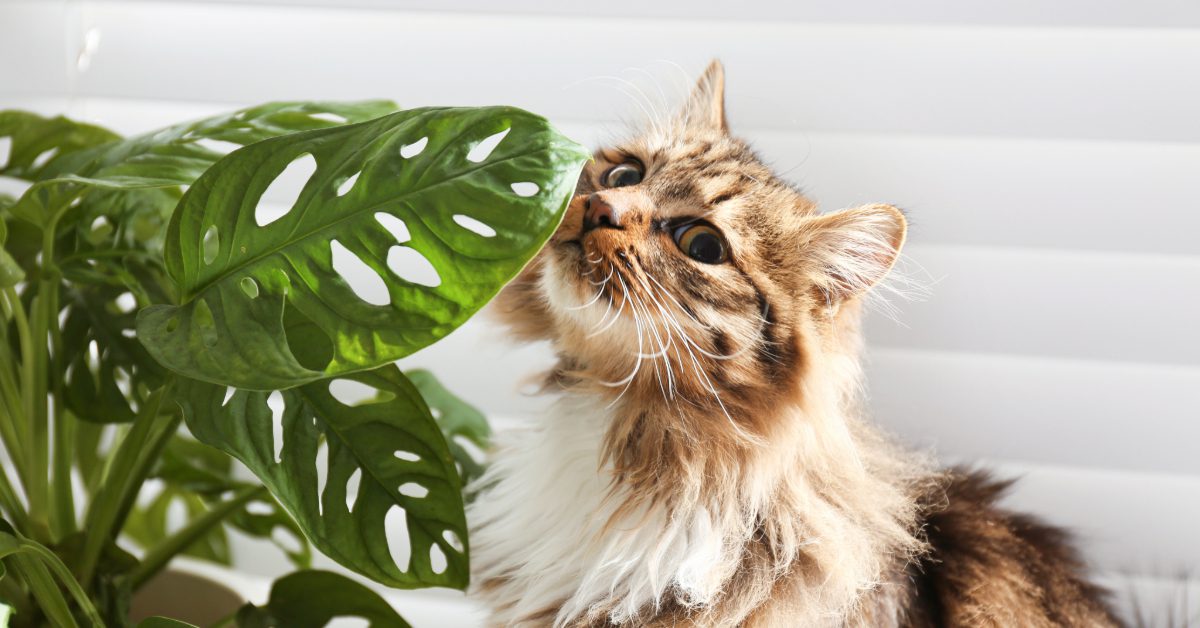
If you have a love for house plants, but are worried about whether they’re safe for your cat to be around, you may have also wondered if monstera plants are toxic to cats. The answer is yes, monstera plants can cause toxicity in felines. That simple answer often surprises pet owners, especially since monstera plants have become a staple in modern homes. Their large, glossy leaves add warmth and style, but for cats, those same leaves can pose a real problem. At Bulverde Animal Hospital, we frequently talk with pet owners who love houseplants and want to keep their homes both beautiful and safe. Understanding why monstera plants are toxic to cats, what symptoms to watch for, and when to call your veterinarian can help you make informed choices before curiosity leads to trouble.
Cats explore their environment with their mouths. A dangling leaf or textured stem can look like a toy or a snack, especially to kittens and indoor cats. When a cat chews on a monstera plant, irritation can begin almost immediately. Knowing what’s behind that reaction matters for prevention and peace of mind.
How Toxic Are Monstera Plants to Cats?
Monstera plants contain insoluble calcium oxalate crystals, which are the source of their toxicity to cats. These microscopic crystals act like tiny needles. When a cat bites or chews the plant, the crystals embed in the tissues of the mouth, tongue, and throat. This physical irritation — not a chemical poison — is what causes most symptoms.
While monstera toxicity is considered mild to moderate compared to some other houseplants, it is still uncomfortable and potentially concerning. Most cats will stop chewing quickly because the sensation is unpleasant, but even brief exposure can cause noticeable signs. Wondering if monstera plants are toxic to cats often comes up because symptoms can appear quickly and look alarming, even if they are not life-threatening.
Severity depends on several factors:
- How much of the plant the cat chewed or swallowed
- The cat’s size and sensitivity
- Whether plant material caused swelling that affects swallowing
Prompt awareness allows pet owners to respond calmly and appropriately instead of guessing what might be wrong.
Why Cats Are Drawn to Monstera Plants
Many pet owners wonder why cats go after monstera plants in the first place. From a feline perspective, monstera plants offer several irresistible features. Their large leaves move easily, making them ideal targets for batting and chewing. The texture of the leaves and stems also appeals to cats that enjoy exploring with their mouths.
Indoor cats may show more interest in houseplants because they lack access to grass or other safe chewing outlets. Kittens and young cats are especially likely to experiment, but adult cats can also develop plant-chewing habits. Even cats that usually ignore greenery may investigate a new plant introduced into the home.
Understanding these behaviors can help explain how exposure happens so easily, even in attentive households.
Symptoms of Monstera Plant Toxicity in Cats
When cats chew monstera plants, symptoms usually appear right away. These signs are caused by irritation rather than systemic poisoning, but they can still be distressing to witness. Recognizing early symptoms helps pet owners decide when veterinary care is needed.
Common signs include:
- Drooling or excessive salivation
- Pawing at the mouth or face
- Oral discomfort or vocalizing
- Mild swelling of the lips, tongue, or gums
In some cases, cats may also show reduced interest in food for a short time due to mouth irritation. Vomiting is less common but can occur if plant material is swallowed. Because these symptoms overlap with other conditions, it is helpful to consider recent exposure when evaluating what might be happening.
How Symptoms May Progress
For most cats, symptoms improve within several hours once exposure stops. The discomfort encourages cats to avoid further chewing, which limits ongoing irritation. However, swelling in the mouth or throat can become more concerning if it interferes with swallowing or breathing. While this is uncommon, it is one reason veterinarians take plant exposures seriously.
If your cat shows persistent drooling, difficulty swallowing, or signs of worsening discomfort, calling your veterinary team is the safest next step.
What to Do If Your Cat Chews a Monstera Plant
If you suspect your cat has chewed on a monstera plant, staying calm helps you assess the situation clearly. Remove access to the plant right away to prevent further exposure. Gently check your cat’s mouth if they allow it, but avoid forcing their mouth open, as this can cause stress or injury.
Some general steps may help reduce irritation:
- Wipe away visible plant residue from the mouth with a damp cloth
- Offer fresh water to help rinse the mouth naturally
- Keep your cat in a quiet area where you can monitor behavior
These steps do not replace veterinary care, but they can be part of an initial response while you decide whether symptoms are improving or persisting. Avoid offering foods, supplements, or home remedies unless directed by a veterinarian.
If you are unsure whether the plant involved was a monstera, or if symptoms seem more intense than expected, contacting Bulverde Animal Hospital at (830) 438-7200 allows you to speak with a team familiar with plant-related exposures in cats.
Are Monstera Plants Toxic to Cats Compared to Other Houseplants?
Monstera plants fall into a category of plants that cause irritation rather than systemic poisoning. This distinction matters, but it does not mean they are harmless.
Compared to highly toxic plants like lilies, monstera plants pose a lower risk of severe internal damage. However, that comparison should not minimize the discomfort they cause. Oral pain and swelling can still impact a cat’s ability to eat, drink, and groom comfortably.
Many popular houseplants share similar calcium oxalate crystals, including pothos and philodendrons. This overlap explains why veterinarians often recommend reviewing all household plants when a cat shows unexplained mouth irritation.
Creating a Cat-Safe Home With Houseplants
Pet owners do not need to give up houseplants entirely to protect their cats. Instead, thoughtful placement and plant selection can reduce risk significantly. Awareness is the foundation of prevention, especially for curious cats.
Strategies that often help include:
- Keeping toxic plants in rooms cats cannot access
- Using hanging planters that stay well out of reach
- Choosing non-toxic plant alternatives when possible
For households with persistent plant chewers, replacing toxic plants with cat-safe options may provide long-term peace of mind. Environmental enrichment, such as interactive toys and approved cat grass, can also redirect chewing behavior away from decorative plants.
When to Contact Your Veterinarian
Even though monstera plant exposure is rarely life-threatening, veterinary guidance is still valuable. If symptoms last longer than expected, worsen over time, or cause concern, a professional assessment can clarify what your cat needs next.
You should contact your veterinarian if you notice:
- Continued drooling or mouth pain beyond several hours
- Swelling that affects eating or swallowing
- Lethargy or behavior changes
At Bulverde Animal Hospital, we encourage pet owners to reach out whenever they feel uncertain. Early conversations often prevent unnecessary stress and help ensure your cat stays comfortable and safe.
Keeping Curiosity From Turning Into a Problem
Cats bring personality, curiosity, and energy into a home, and houseplants often add beauty and calm. Balancing both requires awareness and planning. Knowing the answer to “are monstera plants toxic to cats” allows pet owners to make informed choices before a curious nibble turns into a painful experience.
If you have questions about plant safety, household hazards, or your cat’s behavior, the team at Bulverde Animal Hospital is here to help. Call (830) 438-7200 or book an appointment online to talk with a veterinary professional who understands both pets and the homes they live in.
Recent Posts
About Us
At Bulverde Animal Hospital, our ultimate goals are excellent service to clients, personal growth, and the professional development of our staff. We are a small clinic creating a significant impact on pets' lives.