Can Dogs Get Poison Ivy?
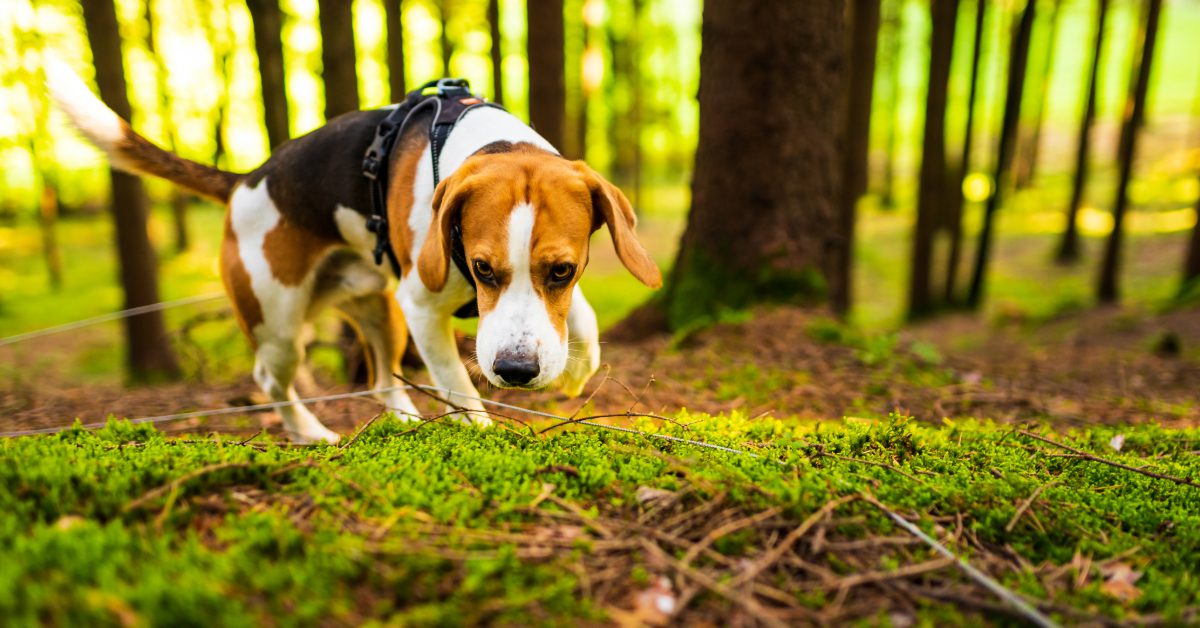
Picture a dog trotting happily through a wooded trail or backyard edge, nose down, tail wagging, brushing past plants without a second thought. Later that day, you notice scratching, redness, or unusual irritation and start wondering whether poison ivy could be the cause and if dogs can get poison ivy. At our Bulverde animal hospital, we often hear this concern from pet owners who spend time outdoors with their dogs. Understanding how poison ivy interacts with a dog’s skin, coat, and environment helps you recognize potential problems early and know when it’s time to call your veterinarian.
Can Dogs Get Poison Ivy Rash?
Although your pup may have a thick fur coat, you may still wonder if dogs can get poison ivy rash. They can in many cases, but the reaction often looks different than it does in people. Poison ivy contains an oily resin called urushiol, which triggers an inflammatory skin response. Dogs are less sensitive to urushiol than humans, largely because their fur acts as a partial barrier. Still, areas with thin hair or exposed skin can develop irritation after contact.
Dogs most commonly develop a poison ivy–related rash on areas such as the belly, inner thighs, muzzle, and around the eyes. These regions have less fur and are more likely to brush directly against plants. When dogs lie down on contaminated grass or soil, the oil can transfer to their skin and cause localized inflammation.
Signs that may suggest a poison ivy rash in dogs include persistent scratching, licking, or chewing at the skin; redness or mild swelling; and patchy irritation that seems to appear suddenly after outdoor activity. Some dogs also develop small bumps or scaly patches. While these symptoms can overlap with other skin issues, poison ivy exposure is often linked to recent hikes, yard work, or playtime in wooded areas.
It’s also important to remember that not every dog reacts the same way. Some dogs show very mild symptoms, while others experience more noticeable discomfort. Coat length, skin sensitivity, and how much contact they had with the plant all influence how severe the reaction appears.
How Poison Ivy Affects Dogs Differently Than People
When people ask if dogs can get poison ivy the same way humans do, the answer is usually no. People tend to develop intense itching, blistering, and oozing lesions. Dogs, on the other hand, usually experience milder inflammation without dramatic blistering. Their immune response differs, and the protective layer of fur reduces direct skin exposure.
That said, dogs can still feel uncomfortable. Repeated licking or scratching can worsen irritation and lead to secondary skin problems. Dogs also don’t understand why they’re itchy, so they may rub against furniture, carpets, or grass, spreading the urushiol oil to new areas.
Another key difference involves the risk to people in the household. Even if a dog’s reaction is mild, the oil can remain on their coat for hours or even days. This means pet owners can develop poison ivy after touching or grooming a dog that brushed against the plant.
Can Dogs Get Poison Ivy From Humans?
Dogs do not develop poison ivy simply by being near a person who has a rash. The rash itself is not contagious. However, urushiol oil can transfer from contaminated clothing, shoes, or skin onto a dog’s coat.
For example, if a person walks through poison ivy and then pets their dog before washing up, the oil can move onto the dog’s fur. From there, it can reach the dog’s skin or spread throughout the home. In this way, humans can indirectly expose dogs to poison ivy without realizing it.
The same applies in reverse. A dog that runs through poison ivy can carry the oil indoors, where it may affect people later. This shared risk is why prompt cleaning after outdoor exposure matters for both pets and their families.
Where Dogs Most Often Encounter Poison Ivy
Poison ivy grows in a wide range of environments, which increases the likelihood of exposure. Dogs often encounter it along fence lines, wooded trails, creek banks, and overgrown yards. The plant can grow as a vine or shrub, making it easy for dogs to brush against without anyone noticing.
Backyards are a frequent source of exposure, especially in areas where vegetation grows unchecked. Dogs that dig, roll, or lounge in shaded areas may come into contact with poison ivy even if they don’t wander far from home. Because dogs explore with their noses and bodies, they can pick up urushiol quickly during routine play.
What to Do After Suspected Exposure
If you’re wondering what to do after suspecting poison ivy exposure, the first step is reducing further contact with the oil. Gently washing your dog with mild soap and lukewarm water soon after exposure may help remove urushiol from the coat and skin. Focus on areas with thinner fur, and avoid harsh scrubbing that could irritate the skin.
It’s also wise to wash your hands, clothing, and any gear that may have come into contact with the plant or your dog. This reduces the chance of spreading the oil to other pets or people in the household. While these steps can help manage mild exposure, ongoing redness, intense itching, or skin changes warrant a call to your veterinarian for urgent treatment.
When Skin Irritation May Be Something Else
Because poison ivy symptoms can resemble other skin conditions, it’s not always easy to identify the cause at home. Allergies, insect bites, contact with other irritating plants, and infections can all look similar. If you find yourself wondering what is causing your dog’s itchy skin rash, a veterinary exam provides clarity.
Persistent scratching, open sores, or changes in behavior often indicate that the irritation needs professional attention. Dogs with underlying skin sensitivities may react more strongly to environmental triggers, making evaluation especially important.
Preventing Future Poison Ivy Exposure
Prevention focuses on awareness and environmental management. Learning to identify poison ivy and limiting access to areas where it grows can significantly reduce risk. Keeping yards well maintained and avoiding overgrown trails during walks also helps.
After outdoor adventures, a quick check of your dog’s coat and paws can catch potential issues early. Regular grooming routines make it easier to notice changes in the skin and remove irritants before they cause discomfort.
A Clear Path Forward for Itchy Situations
While poison ivy reactions are often milder than those in people, they can still cause discomfort in dogs. Poison ivy exposure also creates a shared risk between dogs and their families, making awareness essential. If your dog shows signs of skin irritation after outdoor activity, Bulverde Animal Hospital is here to help you sort through the possibilities and determine next steps. Call us at (830) 438-7200 or book an appointment online to discuss your dog’s symptoms and keep outdoor adventures enjoyable for everyone involved.
Recent Posts
About Us
At Bulverde Animal Hospital, our ultimate goals are excellent service to clients, personal growth, and the professional development of our staff. We are a small clinic creating a significant impact on pets' lives.