
Ear Mites in Dogs
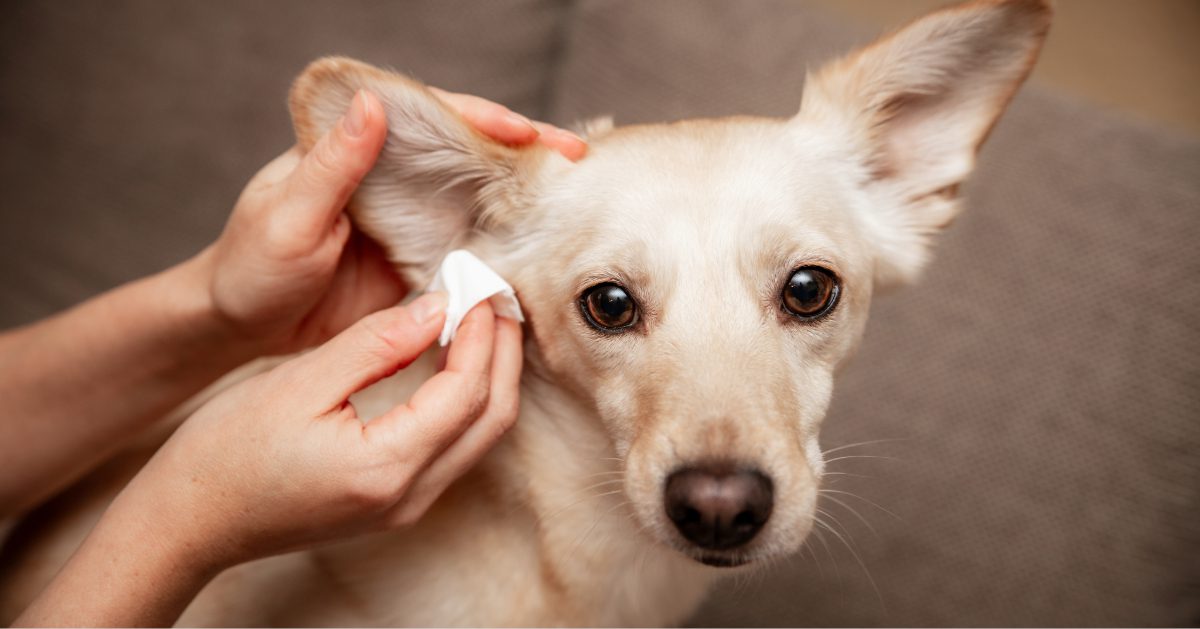
Ear mites in dogs are tiny parasites that live inside the ear canal and feed on skin debris, creating irritation that often shows up as intense itching, head shaking, and dark discharge. We often see dogs come in uncomfortable and frustrated, with owners noticing behavior changes before realizing the ears are the source of the problem. These mites spread easily between animals and can affect dogs of any age, from playful puppies to older companions. While ear mites in dogs are common, especially in environments where pets interact closely, they require proper veterinary evaluation to fully resolve. Early recognition makes a noticeable difference in comfort and recovery, which is why understanding the signs matters.
What Are Ear Mites in Dogs?
Ear mites in dogs are microscopic parasites, most commonly Otodectes cynotis, that live on the surface of the skin within the ear canal. They survive by feeding on skin oils and debris, which leads to inflammation and irritation. Dogs with ear mites often feel persistent discomfort, prompting frequent scratching or rubbing of the ears against furniture, floors, or their owner’s legs. Over time, the irritation can worsen and lead to secondary ear infections if left unaddressed.
These mites spread through close contact with other animals, including dogs and cats, making them more common in multi-pet households, boarding facilities, and shelters. Puppies tend to pick them up more easily, but adult dogs can become affected at any time. Ear mites in dogs do not typically live long in the environment, yet direct contact provides an easy path for transmission. That is why addressing the issue promptly helps protect all pets in the household.
How Dogs Get Ear Mites
Dogs usually contract ear mites through direct interaction with another animal that carries them. This can happen during playtime, shared bedding, grooming visits, or boarding stays. Even brief contact may allow mites to move from one animal to another. While ear mites in dogs do not discriminate by breed, dogs with frequent social exposure may face a higher risk.
Some situations where transmission commonly occurs include:
- Shared living spaces with other dogs or cats
- Dog parks, daycare facilities, or boarding kennels
- Recently adopted pets from shelters or rescues
Understanding how mites spread helps pet owners stay alert after changes in a dog’s environment or routine.
What Do Ear Mites Look Like in Dogs?
Ear mites themselves are nearly impossible to see with the naked eye, but the signs they leave behind are easier to spot. One of the most recognizable indicators of ear mites in dogs is a dark, crumbly discharge inside the ear that resembles coffee grounds. This buildup consists of dried blood, skin debris, and mite waste. Along with the discharge, the ear canal often appears red and inflamed.
Dogs may also develop a noticeable odor coming from the ears, which differs from normal ear scent. Persistent head shaking and scratching often follow, sometimes leading to hair loss or sores around the ears. In more advanced cases, the ear tissue becomes thickened due to ongoing irritation. These visible changes usually prompt owners to seek veterinary care.
Common Signs Pet Owners Notice First
Pet owners often recognize ear mites in dogs by changes in behavior rather than appearance alone. A dog that suddenly seems restless, irritable, or reluctant to be touched around the head may be experiencing ear discomfort. Sleep disturbances and reduced interest in play can also occur as irritation increases.
Common early signs include:
- Frequent head shaking or ear scratching
- Dark debris inside the ears
- Redness or sensitivity around the ear area
- These observations often signal that it is time for an ear examination.
How to Get Rid of Ear Mites in Dogs
When pet owners ask how to get rid of ear mites in dogs, the most important step is proper diagnosis. Several ear conditions can look similar, which is why a veterinary exam remains essential. During an appointment, we examine the ears and confirm the presence of mites using diagnostic tools. Once identified, treatment focuses on eliminating the mites and soothing irritated tissue.
General care at home often centers on maintaining a clean, dry ear environment as directed by a veterinarian. This may include gentle ear cleaning to remove debris and reduce irritation. Keeping your dog from scratching excessively also helps prevent further damage to the ear canal and surrounding skin. Consistency matters, as incomplete care may allow mites to persist or return.
What In-Home Care Typically Involves
While treatment plans vary, general in-home care usually focuses on comfort and cleanliness rather than cure alone. Pet owners may receive instructions to clean the ears regularly and monitor for improvement. Following guidance closely supports recovery and reduces the chance of reinfestation.
In-home care often includes:
- Routine ear cleaning to remove buildup
- Monitoring for reduced scratching and redness
- Limiting contact with other pets during recovery
These steps work together with professional care to resolve ear mites in dogs more effectively.
Why Ear Mites Cause So Much Discomfort
Ear mites in dogs trigger inflammation because the mites irritate the sensitive lining of the ear canal. This inflammation leads to itching, swelling, and increased wax production. As the dog scratches, the skin barrier becomes compromised, which can invite bacteria or yeast to grow. That secondary irritation often intensifies symptoms and prolongs discomfort.
The constant urge to scratch can also affect a dog’s mood and daily routine. Dogs may seem distracted, less playful, or hesitant to interact. Over time, untreated irritation may spread beyond the ear, affecting nearby skin. Addressing ear mites early reduces these cascading effects and helps restore comfort more quickly.
Can Ear Mites Affect Other Pets?
Ear mites in dogs commonly spread to other animals in the household, especially cats. Because mites move through direct contact, all pets often require evaluation if one animal shows symptoms. Even pets without obvious signs may still carry mites and contribute to reinfestation. This shared risk highlights the importance of household-wide awareness.
Preventing recurrence involves observing all pets closely and following veterinary recommendations. Washing shared bedding and cleaning common resting areas may also reduce exposure. Coordinated care helps break the cycle of transmission and protects every pet under your roof.
When to Contact Your Veterinarian
Persistent scratching, discharge, or head shaking always warrants attention, even if symptoms appear mild at first. Ear mites in dogs can resemble other ear conditions, and accurate identification shapes effective care. A timely visit allows us to assess the ears, rule out additional concerns, and guide next steps.
If your dog shows recurring ear issues or discomfort despite basic care, scheduling an appointment for our dermatology services becomes even more important. Our team at Bulverde Animal Hospital focuses on identifying the underlying cause and improving long-term ear health.
Keeping Ears Healthy After Treatment
Once ear mites in dogs resolve, ongoing ear care supports long-term comfort. Routine ear checks at home help owners notice changes early. Keeping ears dry after baths or swimming also reduces irritation. Dogs with a history of ear issues may benefit from regular wellness visits that include ear evaluations.
Healthy ears contribute to a dog’s overall comfort and behavior. By staying observant and proactive, pet owners can reduce the likelihood of future problems. Consistent care builds confidence that small changes will not go unnoticed.
Clean Ears for a Happier Dog
Ear mites in dogs can disrupt daily life, but understanding the signs and taking timely action restores comfort faster than many owners expect. From recognizing early symptoms to addressing household exposure, informed care makes a meaningful difference. If your dog shows signs of ear irritation or persistent scratching, contact Bulverde Animal Hospital to schedule an appointment. Call (830) 438-7200 or book an appointment online to keep your dog’s ears healthy and comfortable.
Recent Posts
About Us
At Bulverde Animal Hospital, our ultimate goals are excellent service to clients, personal growth, and the professional development of our staff. We are a small clinic creating a significant impact on pets' lives.